
Blog
The Impact of Polyethylene Mesh Density and Thickness on Performance

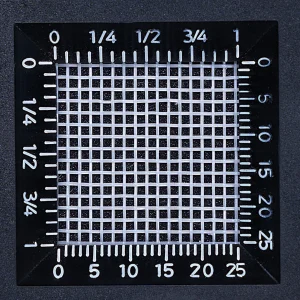
Polyethylene mesh density is one of the most important factors to consider when selecting the right mesh for agricultural, greenhouse, construction, and industrial projects.
Many buyers focus mainly on the price, dimensions, or appearance of a polyethylene mesh, while density and thickness can have a direct effect on its strength, durability, airflow, light transmission, and overall performance.
Selecting the right polyethylene mesh density helps ensure that the product matches the actual requirements of the project and can reduce unnecessary maintenance and replacement costs.
In this article, we explain what mesh density and thickness mean, how they differ, and how to select the appropriate combination for different applications.
What Is Polyethylene Mesh Density?
Polyethylene mesh density refers to the degree of compactness of the mesh structure and the number of strands or intersections within a specific area.
In simple terms, when more strands are positioned within a given area, the mesh has a denser structure.
Higher polyethylene mesh density generally provides:
- Greater resistance to tearing and pressure.
- Better protection against small particles and insects.
- Higher coverage and protection.
- More stable performance in demanding environments.
However, higher density is not always the best solution.
For example, greenhouse applications require sufficient airflow and light transmission. If polyethylene mesh density is too high, it may restrict ventilation and reduce the amount of light reaching plants.
Therefore, mesh density should always be selected according to the intended application.
How Does Polyethylene Mesh Thickness Affect Performance?
The thickness of a polyethylene mesh is mainly related to the diameter and thickness of its strands.
As strand thickness increases, the mesh generally becomes heavier and mechanically stronger.
A thicker mesh typically provides:
- Higher tensile strength.
- Better resistance to tearing and abrasion.
- Greater suitability for long-term applications.
- Better performance in demanding environments.
For construction projects, for example, an appropriately thick polyethylene mesh can provide better resistance to wind, rain, and mechanical stress.
For lighter agricultural or horticultural applications, a thinner mesh may be easier to install and more economical.
Polyethylene Mesh Density vs. Thickness
Density and thickness are two different technical characteristics.
Polyethylene mesh density refers mainly to how closely the strands are arranged within a certain area, while thickness refers to the diameter of the strands themselves.
A mesh may have a high density but relatively thin strands. Another product may have a lower density while using thicker strands.
For this reason, buyers should evaluate both characteristics rather than choosing a polyethylene mesh based on only one specification.
Polyethylene Mesh Density in Agriculture and Horticulture
In agriculture and horticulture, the appropriate polyethylene mesh density depends on the purpose of the application.
If the primary purpose is to protect crops from birds or insects, a suitable density is required to provide effective protection. At the same time, the mesh must allow sufficient air and light to reach the plants.
Important considerations include:
- Crop type.
- Required light transmission.
- Air circulation.
- Local weather conditions.
- UV resistance.
- Required service life.
A properly selected polyethylene mesh can provide effective protection without negatively affecting plant growth.
Polyethylene Mesh Density for Greenhouses
Greenhouse applications require a careful balance between protection, ventilation, and light transmission.
If polyethylene mesh density is excessively high, airflow and light transmission may decrease. On the other hand, very low density may not provide sufficient protection against insects, birds, or excessive sunlight.
The appropriate density should therefore be selected according to the crop, the purpose of the mesh, and the local climate.
Polyethylene Mesh Density in Construction
Construction applications generally require higher levels of strength and protection.
An appropriate polyethylene mesh density can help prevent construction debris and materials from falling and may also help control dust and particles.
When the mesh is exposed to wind, rain, or mechanical stress, thickness becomes equally important.
For construction applications, consider:
- Appropriate mesh density.
- Sufficient strand thickness.
- Wind resistance.
- Weather resistance.
- Raw material quality.
- Expected service life.
Polyethylene Mesh Density for Packaging and Transportation
Packaging and transportation applications require a balance between flexibility and mechanical strength.
The appropriate polyethylene mesh density depends on the type of product being handled and the amount of stress placed on the mesh.
Lower density may provide greater flexibility for some applications, while heavier products may require a stronger structure.
The thickness should also be selected carefully to minimize the risk of tearing during handling and transportation.
How to Choose the Right Polyethylene Mesh Density
When selecting polyethylene mesh density, consider the following factors:
1. Application
Determine whether the mesh will be used in agriculture, horticulture, greenhouses, construction, packaging, or industrial applications.
2. Environmental Conditions
Consider sunlight, humidity, wind, rainfall, temperature, and exposure to chemicals.
3. Required Strength
Different applications require different levels of resistance to tension, tearing, pressure, and abrasion.
4. Expected Service Life
For long-term outdoor applications, polyethylene mesh density should be evaluated together with UV resistance and raw material quality.
5. Project Budget
Higher density and thickness may increase material consumption and product cost. However, choosing an unsuitable low-cost polyethylene mesh can result in higher replacement and maintenance expenses over time.
Benefits of Choosing the Right Density and Thickness

Selecting the appropriate polyethylene mesh density can provide several benefits:
- Increased strength and durability.
- Lower maintenance and replacement costs.
- Better performance in agricultural and greenhouse applications.
- Improved safety in construction projects.
- Better control of airflow and light transmission.
- Longer service life under suitable conditions.
Common Mistakes When Buying Polyethylene Mesh
One of the most common mistakes is choosing a product based only on price.
A cheaper polyethylene mesh may have an unsuitable density or thickness for the intended application.
Other common mistakes include:
- Selecting excessively high density for greenhouse applications.
- Using very lightweight mesh in construction projects.
- Ignoring local weather conditions.
- Overlooking UV resistance.
- Comparing products based only on price instead of technical specifications.
Frequently Asked Questions
Does higher polyethylene mesh density always mean better quality?
No. Higher density can improve strength and protection, but it may reduce airflow and light transmission in applications such as greenhouses. The appropriate polyethylene mesh density depends on the application.
Does greater thickness increase mesh service life?
Greater thickness can generally improve resistance to tearing, tension, and abrasion. However, service life also depends on raw material quality, UV resistance, environmental conditions, and installation.
What mesh density is suitable for greenhouses?
It depends on the crop and the intended purpose. Greenhouse mesh should provide an appropriate balance between protection, light transmission, and ventilation.
Which polyethylene mesh is suitable for construction projects?
Construction applications generally require mesh with suitable density, thickness, and mechanical strength. The final selection should be based on wind conditions, mechanical stress, and the required level of protection.
Conclusion
Polyethylene mesh density is an important factor when selecting the right product for different applications. Along with density, buyers should consider strand thickness, raw material quality, UV resistance, and environmental conditions.
Higher density does not always mean a better product, and lightweight mesh is not suitable for every application. The best choice is the product whose specifications match the actual requirements of the project.
Beltash offers polyethylene mesh in different densities and thicknesses for agricultural, greenhouse, construction, and industrial applications.
Ultimately, selecting the appropriate polyethylene mesh density can improve durability, reduce maintenance costs, and contribute to better overall project performance.