
Blog
Polyethylene Mesh Resistance to Sunlight, Moisture, and Chemicals

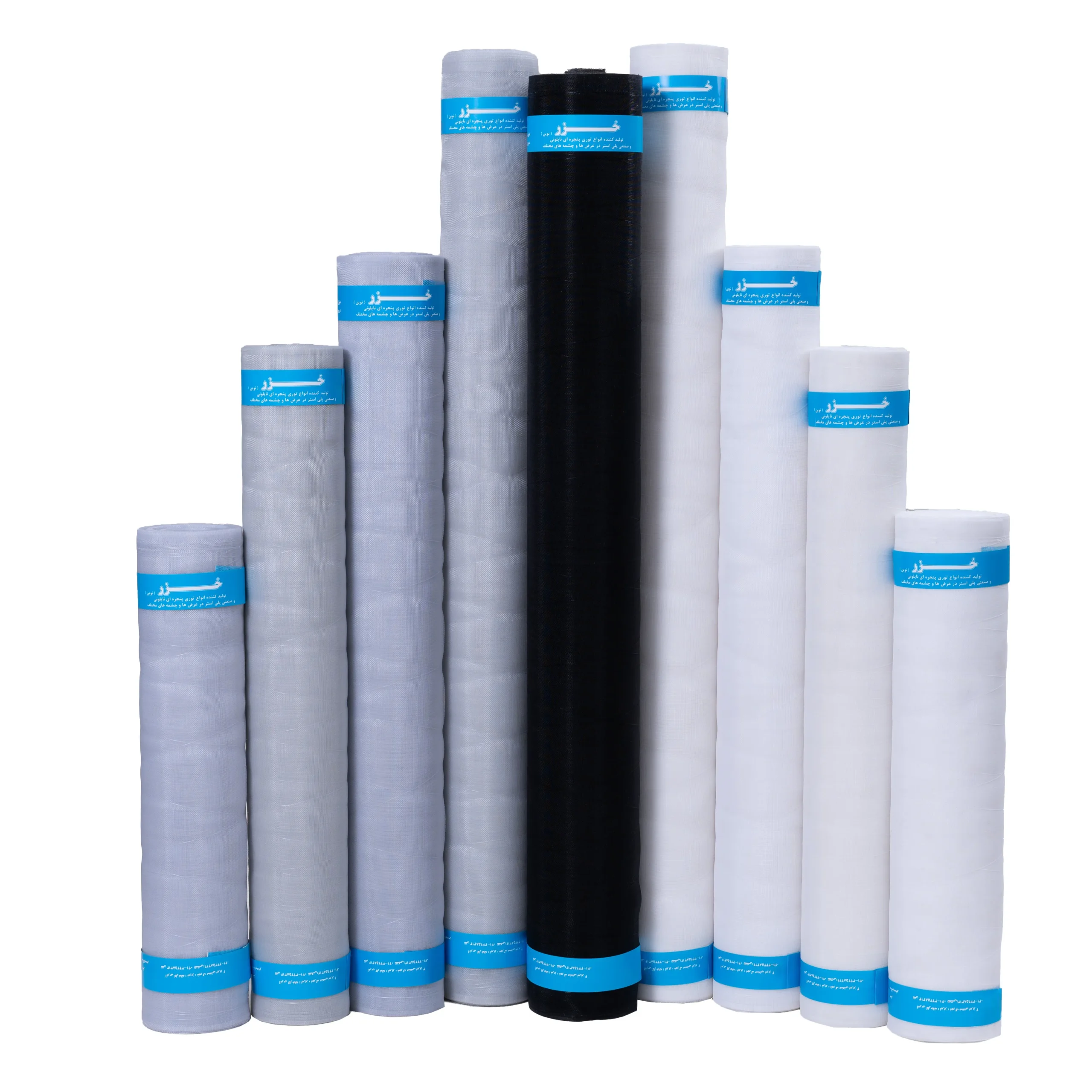
Polyethylene mesh resistance is one of the most important factors to consider when selecting mesh for agricultural, greenhouse, construction, and industrial applications.
Polyethylene mesh is often installed outdoors or used in industrial environments for extended periods. Therefore, its ability to withstand sunlight, moisture, temperature fluctuations, and chemical exposure has a direct impact on its service life and performance.
Choosing a high-quality polyethylene mesh that matches the environmental conditions can reduce maintenance and replacement costs while improving the overall efficiency of a project.
In this article, we examine polyethylene mesh resistance to the most important environmental factors and explain what buyers should consider before purchasing.
Polyethylene Mesh Resistance to Sunlight and UV Radiation
Sunlight, particularly ultraviolet (UV) radiation, is one of the major causes of polymer degradation in outdoor applications.
Long-term UV exposure can gradually affect the polymer structure and reduce its strength and flexibility.
Low-quality or non-UV-stabilized mesh may eventually experience:
- Brittleness;
- Color fading;
- Cracking;
- Reduced tensile strength;
- Shorter service life.
How Is Polyethylene Mesh Resistance to UV Improved?
For outdoor applications, polyethylene products may be manufactured with UV stabilizers or additives designed to reduce the damaging effects of ultraviolet radiation.
This is why UV resistance should be an important consideration when selecting polyethylene mesh for greenhouses, farms, gardens, or construction projects.
This factor becomes particularly important in regions with intense sunlight, where mesh may remain exposed to direct sunlight for long periods.
Polyethylene Mesh Resistance to Moisture and Water
Another important advantage of polyethylene mesh resistance is its good performance in humid environments.
Polyethylene has naturally low water absorption and, unlike many metals, does not rust. This makes polyethylene mesh suitable for many wet or humid environments.
Key advantages include:
- Good resistance to rain and moisture;
- No rust formation;
- Good resistance to rot;
- Suitable performance in humid environments;
- Appropriate use in rainy and coastal areas.
These characteristics make polyethylene mesh useful in greenhouses, agricultural projects, gardens, and certain aquaculture applications.
Does Moisture Reduce Polyethylene Mesh Service Life?
Polyethylene itself has good resistance to water and moisture. However, the overall service life of the product also depends on raw material quality, mesh structure, additives, installation, and environmental conditions.
Therefore, choosing polyethylene as the material alone is not enough; the quality and technical specifications of the finished product should also be evaluated.
Polyethylene Mesh Resistance to Chemicals

Agricultural and industrial environments may expose mesh to fertilizers, pesticides, cleaning agents, and other chemical substances.
One of the important advantages of polyethylene mesh resistance is its good resistance to many commonly used chemicals.
Depending on the formulation and conditions, polyethylene generally performs well against many:
- Dilute acids;
- Alkalis;
- Agricultural fertilizers;
- Salt solutions;
- Industrial chemicals.
However, chemical resistance does not mean resistance to every chemical.
Long-term exposure to certain strong solvents or highly aggressive chemicals may affect the performance of the material. For specialized applications, the product’s technical specifications and chemical compatibility should therefore be checked before purchase.
Polyethylene Mesh Resistance to Temperature Changes
Temperature fluctuations are another environmental factor that should be considered.
A high-quality polyethylene mesh can provide reliable performance across a range of temperatures, although its exact behavior depends on the polymer formulation, additives, thickness, and mesh structure.
In hot climates, UV resistance is particularly important. In cold climates, flexibility and low-temperature performance should also be considered.
Repeated expansion and contraction caused by temperature changes can also create mechanical stress. Proper product selection and installation can help minimize these effects.
Polyethylene Mesh Resistance Compared with Other Mesh Types
Metal Mesh
Metal mesh generally offers high mechanical strength but can be vulnerable to rust and corrosion in humid environments. It is also usually heavier than polyethylene mesh.
Nylon Mesh
Nylon mesh is lightweight and flexible. However, depending on the product and application, its long-term outdoor performance may be lower than that of UV-stabilized polyethylene mesh.
Polyethylene Mesh
Polyethylene mesh offers low weight, good moisture resistance, resistance to many chemicals, and the possibility of UV stabilization. These characteristics make it a practical and economical choice for many applications.
However, actual performance depends on the quality and specifications of each product.
What Factors Affect Polyethylene Mesh Resistance?
Polyethylene mesh resistance depends on more than just the polymer itself. Several factors can influence the final performance and service life.
1. Raw Material Quality
High-quality raw materials play an important role in the strength and durability of the mesh.
2. UV Stabilizers
For long-term outdoor use, UV stabilizers can significantly improve resistance to sunlight.
3. Thickness and Density
The strand thickness and mesh density should be selected according to the intended application.
4. Environmental Conditions
Sunlight intensity, humidity, temperature, wind, and chemical exposure can all affect mesh performance.
5. Installation Method
Even high-quality polyethylene mesh can be damaged prematurely if it is installed under excessive tension or mechanical stress.
How Can Polyethylene Mesh Resistance Be Improved?
To extend service life and maintain performance:
- Select UV-resistant mesh for outdoor applications.
- Choose the product according to the project’s environmental conditions.
- Avoid prolonged exposure to highly aggressive chemicals.
- Inspect and clean the mesh periodically.
- Avoid excessive tension during installation.
- Select suitable thickness and mesh opening size.
- Purchase from a reputable manufacturer.
Beltash Polyethylene Mesh Products
Beltash Polyethylene Mesh for Different Applications
Choosing a reliable manufacturer can have a significant impact on product quality and service life.
Beltash supplies different types of industrial and agricultural mesh for a wide range of applications. Selecting the appropriate specifications and receiving technical guidance before purchase can help ensure that the product matches the actual requirements of the project.
Frequently Asked Questions
Is polyethylene mesh resistant to sunlight?
Yes, but the level of resistance depends on product quality and UV stabilization. For long-term outdoor use, UV-resistant polyethylene mesh should be selected.
Does moisture damage polyethylene mesh?
Polyethylene has good resistance to water and moisture and does not rust. However, raw material quality and environmental conditions also affect overall service life.
Is polyethylene mesh resistant to chemicals?
Polyethylene is resistant to many common chemicals, but compatibility should be checked when the mesh will be exposed to strong solvents or highly aggressive chemicals.
Is polyethylene mesh suitable for outdoor applications?
Yes. Products designed for outdoor use and equipped with suitable UV resistance are widely used in agriculture, horticulture, greenhouses, and industrial applications.
Conclusion
Polyethylene mesh resistance to sunlight, moisture, chemicals, and temperature changes is one of the key reasons this material is widely used across different industries.
However, material type alone does not determine service life. Raw material quality, UV stabilization, thickness, density, environmental conditions, and installation method all contribute to the final performance.
Therefore, when purchasing polyethylene mesh, buyers should look beyond price and evaluate the technical requirements of the project. Selecting the right product can reduce maintenance and replacement costs while improving long-term performance.