
Blog
What Is Polyester Mesh? Powerful Benefits, Applications, and Buying Guide

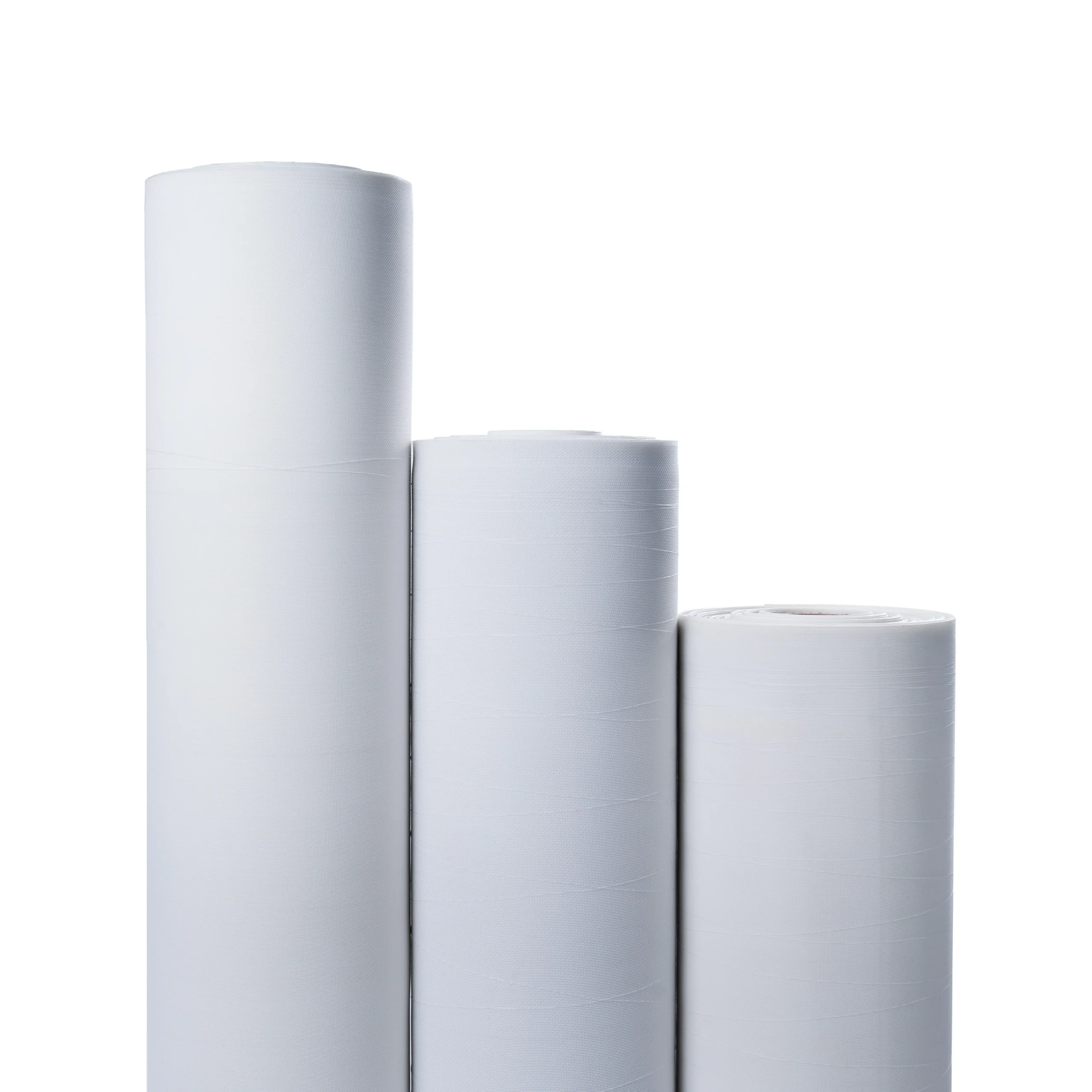
What Is Polyester Mesh?
Polyester mesh is one of the most widely used types of industrial mesh, manufactured from high-strength polyester fibers. Thanks to its lightweight structure, good chemical resistance, durability, and uniform weave, it is used in a wide range of industrial applications.
Today, many production lines, filtration systems, and industrial equipment use polyester mesh as an essential component in material separation, filtration, and manufacturing processes.
Compared with certain types of metal mesh, polyester mesh offers excellent resistance to moisture and corrosion. Its flexibility also makes it easier to handle, install, and adapt to different applications. These characteristics have made this mesh an important solution for industries that require reliable, lightweight, and durable mesh materials.
Key Benefits of Polyester Mesh

Selecting the right industrial mesh can have a direct impact on production quality, equipment efficiency, and maintenance costs. Due to its technical characteristics, polyester mesh is considered a reliable option for many industrial applications.
Excellent Chemical Resistance
One of the major advantages of polyester mesh is its resistance to many chemicals. This property makes it suitable for environments where contact with acids, alkaline substances, or industrial cleaning agents cannot be avoided.
For this reason, this mesh is widely used in mineral processing, material processing, food production, and filtration systems.
However, chemical compatibility should always be evaluated according to the specific chemical, concentration, temperature, and exposure time involved in the application.
Lightweight and Easy to Install
The relatively low weight of polyester mesh compared with many metal mesh products makes transportation, handling, and installation easier.
Its lightweight structure can reduce installation time and place less additional load on supporting structures. In certain applications, this can contribute to easier maintenance and more efficient system operation.
Good Moisture Resistance
Polyester fibers have relatively low moisture absorption. As a result, polyester mesh can perform effectively in humid environments and equipment that comes into contact with water or other liquids.
This characteristic helps reduce the risk of dimensional changes and deterioration caused by continuous exposure to moisture.
Long Service Life
Another reason for the popularity of polyester mesh is its durability. When the correct mesh specification is selected and the product is used within its intended operating conditions, it can provide reliable performance for an extended period.
Longer service life can help reduce replacement frequency, maintenance requirements, and equipment-related operating costs.
Industrial Applications of Polyester Mesh
Because polyester mesh can be manufactured with different weave patterns, mesh counts, and yarn diameters, it can be adapted to a variety of industrial requirements.
Some of the most common applications include:
- Screen printing and silk-screen industries
- Food processing
- Pharmaceutical manufacturing
- Water and liquid filtration
- Chemical industries
- Mineral processing plants
- Textile industries
- Packaging industries
- Laboratory equipment
- Industrial production lines
Each industry requires specific technical characteristics. Therefore, selecting the right polyester mesh should be based on the intended application, mesh opening, yarn diameter, operating temperature, chemical exposure, and environmental conditions.
Why Is Polyester Mesh Widely Used for Filtration?
One of the most important applications of polyester mesh is filtration.
The uniform structure of the mesh allows particles to be separated with a high level of consistency. Depending on the selected mesh count and opening size, polyester mesh can be used to control the passage of particles and improve the performance of filtration processes.
In food processing, pharmaceutical production, chemical applications, and water treatment systems, the correct mesh specification plays an important role in achieving consistent filtration results.
Choosing this mesh with the appropriate technical characteristics can improve equipment performance while helping reduce maintenance requirements and operational costs.
What Should You Consider When Buying Polyester Mesh?

Choosing the right polyester mesh should not be based on price alone. Before purchasing, several technical factors should be carefully evaluated.
Mesh Count
Mesh count refers to the number of openings per linear inch. The appropriate mesh count depends on the required filtration level and particle size.
Yarn Diameter
Yarn diameter affects the strength, opening size, flexibility, and overall structure of the mesh. A suitable yarn diameter should be selected according to the mechanical and filtration requirements of the application.
Weave Type
The weave pattern influences the strength, dimensional stability, opening characteristics, and filtration performance of the mesh.
Required Chemical Resistance
If the mesh will be exposed to chemicals, the compatibility of polyester with the specific operating environment should be evaluated before selection.
Operating Temperature
Temperature can affect the mechanical properties and long-term performance of polymeric mesh. Therefore, the working temperature should be considered when selecting the product.
Environmental Conditions
Humidity, exposure to water, outdoor conditions, abrasion, and other environmental factors can affect the service life of the mesh.
Application Type
The final selection should always be based on the actual application. A mesh designed for screen printing may have different specifications from one intended for liquid filtration or industrial separation.
Purchasing from a reliable manufacturer or supplier can also provide greater confidence that the product specifications match the requirements of the project.
Polyester Mesh for Industrial Filtration
The performance of a filtration system depends on several factors, and the filter media is one of the most important components.
Polyester mesh can provide a consistent and controlled opening structure, making it suitable for applications where reliable particle separation is required.
Its combination of lightweight construction, durability, moisture resistance, and manufacturing flexibility allows it to be produced in different specifications for various filtration requirements.
The correct mesh should always be selected according to particle size, flow rate, pressure, temperature, chemical exposure, and the required level of filtration.
Polyester Mesh for Different Industries
The versatility of polyester mesh is one of its major advantages. Depending on the manufacturing specifications, it can be integrated into different industrial processes.
In the food industry, it can be used in filtration and separation processes where suitable hygienic specifications are required.
In the pharmaceutical industry, controlled mesh openings can support precise separation and filtration processes.
In chemical and mineral processing, its resistance and flexible structure can make it suitable for various separation applications.
In screen printing, this mesh is widely recognized for its uniform structure and controlled openings, which are essential for consistent printing results.
This wide range of applications demonstrates why selecting the correct mesh specification is more important than simply choosing a mesh based on appearance or price.
Why Choose High-Quality Polyester Mesh?
The quality of the raw material, yarn consistency, weaving accuracy, and dimensional stability can significantly affect the performance of industrial mesh.
A high-quality polyester mesh should provide:
- Consistent mesh openings
- Uniform weaving
- Suitable mechanical strength
- Good dimensional stability
- Appropriate moisture resistance
- Reliable performance during continuous operation
- Availability in different mesh counts and specifications
These factors become particularly important when the mesh is used in production lines where failure or frequent replacement can increase downtime and maintenance costs.
Beltash Polyester Mesh
Beltash supplies polyester mesh in different technical specifications to meet the requirements of various industrial applications.
Depending on the project, polyester mesh can be selected according to factors such as mesh count, yarn diameter, dimensions, weave structure, and intended application.
The availability of different specifications allows manufacturers and industrial users to select a mesh that better matches their filtration, separation, printing, or production requirements.
For industrial applications, consulting with the manufacturer before placing an order can help ensure that the selected this mesh is compatible with the operating conditions of the project.
View types of polyester mesh of Beltash
Conclusion
Polyester mesh is one of the most versatile industrial mesh materials due to its combination of strength, lightweight construction, moisture resistance, durability, and manufacturing flexibility.
It is used in a wide range of fields, including filtration, screen printing, food processing, pharmaceuticals, mineral processing, textiles, packaging, laboratory equipment, and industrial production.
When selecting this mesh, technical specifications should always be considered rather than focusing solely on price. Mesh count, yarn diameter, weave type, temperature, chemical exposure, environmental conditions, and the intended application all play an important role in determining the right product.
Choosing the correct polyester mesh can help improve filtration and separation performance, extend service life, reduce maintenance requirements, and support more efficient industrial operations.
Beltash provides polyester mesh in different specifications to help industrial users select suitable solutions for their specific applications.