
Blog
Polyester Forming Fabric for Paper and Board Making and Its Types

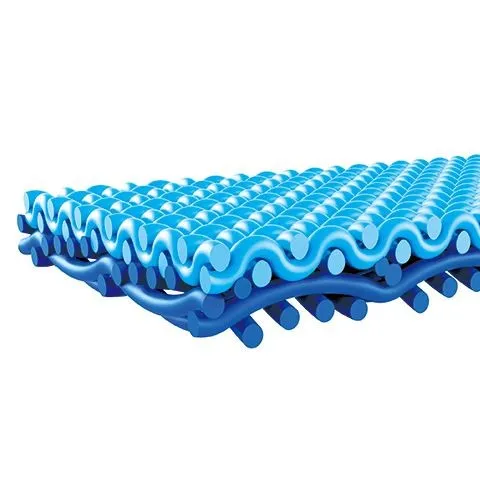
Polyester forming fabric plays a crucial role in the paper and paperboard manufacturing industry. These fabrics are used in the forming section of paper and board machines for dewatering, sheet forming, and allowing water to pass through the paper pulp. Choosing the right type of polyester forming fabric can have a significant impact on the final quality of paperboard.
The structure, permeability, strength, and durability of the forming fabric directly affect the dewatering process and the quality of the finished product. For this reason, selecting the right polyester forming fabric according to the machine configuration and production requirements is essential.
Key Features of Polyester Forming Fabric for Paperboard Production
High-quality polyester forming fabric offers several important characteristics, including:
- ✔️ High resistance to abrasion and chemicals.
- ✔️ Appropriate permeability for efficient water drainage.
- ✔️ Long service life and easy maintenance.
- ✔️ Ability to withstand high pressure during the manufacturing process.
- ✔️ Stable performance in continuous industrial operations.
These characteristics make polyester forming fabrics a practical solution for demanding paper and paperboard production environments.
Types of Polyester Forming Fabric
There are several types of polyester forming fabric, each designed for specific operating conditions and production requirements. The most common types include single-layer, double-layer, triple-layer, spiral fabrics, and filter press belts.
1. Single Layer Polyester mesh

A single-layer polyester screen is one of the commonly used types of industrial mesh. Because of its simple structure and relatively economical design, it is used in applications such as papermaking, paperboard production, and industrial filtration.
This type of polyester forming fabric consists of a single layer of polyester yarn and is generally considered a lightweight and cost-effective option.
Applications of Single Layer Polyester Screen
Papermaking: Used in the forming section for the initial formation of the paper sheet.
Paperboard production: Suitable for manufacturing lightweight and thin paperboard.
Industrial filtration: Used in certain filtration and solid-liquid separation processes.
Light-duty conveyor systems: Suitable for environments with high moisture levels.
2. Double Layer Polyester mesh

The double-layer polyester screen is one of the most widely used types of industrial forming fabric in the paper and paperboard industry. Compared with single-layer fabrics, it can provide improved dewatering performance, greater strength, and a longer service life.
These fabrics consist of two interconnected layers of polyester yarn, creating a stronger and more uniform structure.
Applications of Double Layer Polyester Screen
Paper and paperboard manufacturing: Used to improve product quality and reduce undesirable effects on the surface of the paper.
Filtration industries: In certain applications, it can be used for water and air filtration.
Conveyor systems in wet environments: Used in industries such as food processing and packaging.
A double-layer polyester forming fabric provides a practical balance between price, quality, and durability, making it one of the commonly selected options for paperboard manufacturing.
3. Triple Layer Polyester mesh

The triple-layer polyester screen is an advanced and highly durable type of forming fabric used in the paper and paperboard industry.
It consists of three woven polyester yarn layers, which can provide higher strength, improved dewatering performance, and extended service life under demanding production conditions.
Applications of Triple Layer Polyester Screen
Industrial papermaking and paperboard production: Suitable for thick and multi-layer paperboard.
High-quality paper production: Used for applications such as coated paper, printing paper, and specialized packaging board.
Advanced filtration systems: Suitable for demanding filtration applications.
Industrial conveyor systems: Appropriate for systems exposed to moisture and mechanical pressure.
When production conditions require greater durability and controlled drainage, a triple-layer polyester forming fabric can be an appropriate choice.
4. Spiral Polyester mesh

Spiral polyester screen is one of the durable types of industrial fabric. It is manufactured from interconnected polyester spiral loops. Due to its specific structure, this type of fabric performs well in wet, high-pressure, and high-temperature environments.
Applications of Spiral Polyester Screen
Paper and paperboard industry: Used in the dryer section to assist in removing moisture from paper and board.
Industrial conveyor systems: Used in food, chemical, and mineral processing industries.
Filtration and water treatment: Used for separating solid particles from liquids.
Thermal dryers and high-temperature environments: Suitable for industrial drying systems exposed to elevated temperatures.
Unlike forming fabrics primarily used in the forming section, spiral polyester fabrics are particularly important in drying and moisture-removal applications.
5. Press Felt

A Press Felt is an industrial mesh or fabric used in belt filter press machines for dewatering and separating liquids from solids.
These belts are commonly manufactured from polyester fibers. Their resistance to moisture, abrasion, and chemicals makes them suitable for a wide range of industrial applications.
A Press Felt is an essential tool for industrial dewatering and filtration, particularly when efficient separation of solids and liquids is required. Depending on the application, these belts are manufactured with different weave patterns and materials to achieve the desired filtration and dewatering performance.
Applications of Belt Filter Press Belts
Industrial water and wastewater treatment: Separation of sludge and water in treatment plants.
Mining and metallurgy: Mineral processing and metal-related applications.
Food processing: Dewatering fruit residues and other production by-products.
Pulp and paper mills: Fiber separation and wastewater filtration.
Pharmaceutical and chemical industries: Filtration of materials that require controlled moisture separation.
How to Choose the Right Polyester Forming Fabric?
Choosing the right polyester forming fabric depends on several factors, including:
- Type of paper or paperboard being produced.
- Machine configuration and operating speed.
- Required drainage and permeability.
- Operating pressure and temperature.
- Chemical exposure.
- Required service life.
- Maintenance and cleaning requirements.
The correct fabric should be selected according to the specific production conditions rather than based solely on price. A properly selected polyester forming fabric can improve drainage efficiency, production stability, fabric lifespan, and the quality of the finished paper or board.
Why Is Polyester Forming Fabric Important in Paperboard Manufacturing?
The forming fabric is one of the key components of a paper or paperboard machine. During the forming process, the fabric supports the paper pulp while allowing water to drain through its openings.
The quality and design of the polyester forming fabric can therefore influence:
- Dewatering efficiency.
- Formation uniformity.
- Paper and board surface quality.
- Production speed.
- Fabric service life.
- Overall manufacturing efficiency.
For this reason, choosing a fabric with the appropriate weave, permeability, strength, and dimensions is essential for stable production.
Frequently Asked Questions (FAQ)
What is polyester forming fabric?
Polyester forming fabric is an industrial woven mesh used in paper and paperboard machines, particularly in the forming section. Its main functions include supporting the paper pulp, facilitating water drainage, and contributing to proper sheet formation.
What is the difference between single-layer, double-layer, and triple-layer fabrics?
The main differences relate to fabric structure, strength, permeability, durability, and application. Single-layer fabrics are generally simpler and more economical, while double-layer and triple-layer designs can provide greater strength and more controlled drainage for demanding applications.
Which polyester forming fabric is best for paperboard production?
There is no single fabric that is best for every machine. The appropriate choice depends on paperboard type, machine speed, drainage requirements, operating conditions, and other technical parameters.
What is a spiral polyester fabric used for?
Spiral polyester fabrics are commonly used in dryer sections, industrial drying systems, conveyor applications, and certain filtration processes where moisture removal and resistance to heat and moisture are required.
What is a belt filter press used for?
A belt filter press is primarily used for dewatering and separating solids from liquids. It is widely used in wastewater treatment, mining, food processing, pulp and paper, and chemical industries.
Conclusion
Polyester forming fabric is an essential component in modern paper and paperboard manufacturing. Depending on the machine and production requirements, different structures such as single-layer, double-layer, triple-layer, and spiral fabrics can be used.
Choosing the right polyester forming fabric can improve dewatering, production stability, service life, and the quality of the final product. Therefore, before purchasing, it is important to consider factors such as permeability, strength, weave structure, operating conditions, and machine specifications.
Beltash provides a variety of industrial polyester meshes and fabrics designed for different applications in papermaking, paperboard production, filtration, dewatering, and industrial processes.