
Blog
Polyethylene Mesh Applications in EPS Silos | Why Polyethylene Mesh 16 Is a Popular Choice

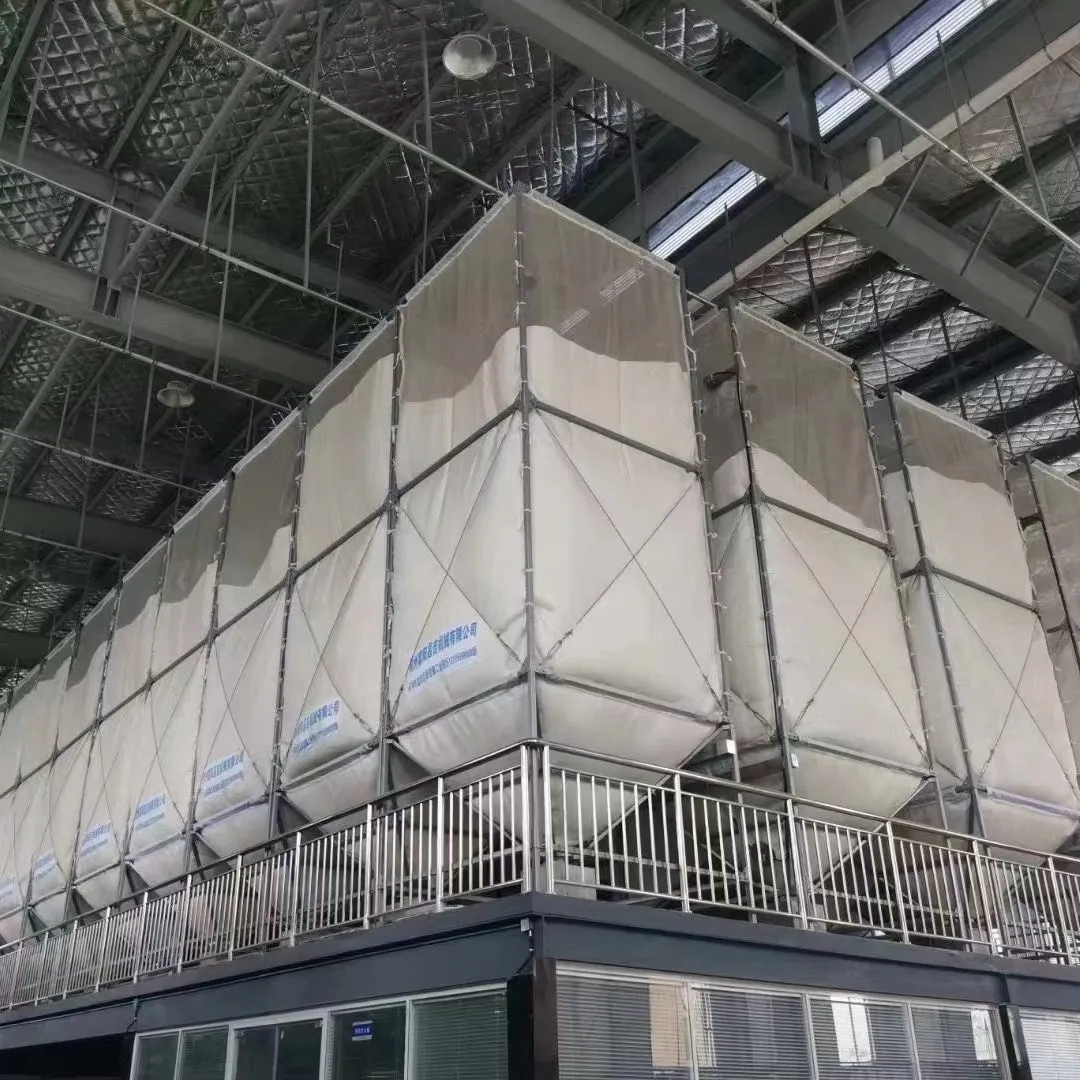
In EPS production plants, proper storage and ventilation of expanded polystyrene beads are essential for maintaining production efficiency and product quality. One practical solution for creating proper airflow while keeping EPS beads contained is the use of mesh silos. Polyethylene mesh applications in EPS silos have become increasingly important because this material can provide a combination of ventilation, flexibility, lightweight construction, and practical installation.
Among the available options,Polyethylene mesh 16 is commonly considered for EPS silo construction because of its mesh structure, flexibility, and suitability for custom sewing and shaping. In this article, we explore polyethylene mesh applications in EPS silos, how mesh silos work, which silo shapes can be produced, and how EPS manufacturers can source the required mesh.
What Are Polyethylene Mesh Applications in EPS Silos?
The mesh used for EPS silos needs to perform two important functions: keeping the EPS beads contained and allowing sufficient airflow through the silo. For this reason, selecting the appropriate mesh structure and opening size is essential.
The main polyethylene mesh applications in EPS silos are related to storing and ventilating EPS beads between different stages of the production process.
Important characteristics include:
- Proper air circulation
- Effective containment of EPS beads
- Lightweight construction
- Easy installation
- Flexibility for sewing and shaping
- Resistance to moisture
- Suitability for different silo designs
Polyethylene Mesh Applications in EPS Silos During Production

Understanding the production process makes the polyethylene mesh applications in EPS silos easier to understand.
Polyethylene Mesh Applications in EPS Silos During Filling
After EPS beads are produced and prepared, they are transferred into storage silos. The mesh structure allows air to circulate around the beads while keeping them inside the designated storage area.
A properly designed mesh silo can also make filling and emptying operations easier.
Polyethylene Mesh Applications in EPS Silos for Ventilation
Ventilation is one of the most important functions of an EPS silo. Insufficient airflow can negatively affect the conditions inside the silo and interfere with bead preparation.
Because of its open structure, polyethylene mesh allows air to move through different parts of the silo. This is one of the key polyethylene mesh applications in EPS silos.
Polyethylene Mesh Applications in EPS Silos During Discharge
After the required storage period, EPS beads need to be transferred to the next production stage. The flexibility of the mesh allows the silo to be designed according to the factory’s discharge system.
With proper construction, the beads can be released through the lower section of the silo and transferred to the next stage.
Polyethylene Mesh 16 for EPS Silo Construction
Polyethylene Mesh 16 is one of the mesh products considered for EPS silo construction. Its structure allows it to be cut, sewn, and shaped according to the required silo dimensions.
Advantages of Polyethylene Mesh 16 for EPS Silos
Key advantages include:
- Suitable mesh opening: Provides airflow while helping contain the EPS beads.
- Flexibility: Can be cut and sewn according to silo dimensions.
- Lightweight structure: Makes handling and installation easier.
- Suitable environmental resistance: Performs well under typical factory conditions.
- Custom fabrication: Can be prepared in different shapes and dimensions.
The final mesh selection should always be based on silo dimensions, bead weight, operating conditions, and the discharge system.
Types of EPS Silos Made with Polyethylene Mesh

One of the important polyethylene mesh applications in EPS silos is the construction of silos in different shapes. The final design usually depends on the available factory space and required capacity.
Cylindrical EPS Silos with Polyethylene Mesh
Cylindrical silos are a common design. They can provide practical storage capacity and good airflow while making efficient use of the mesh structure.
Cubic and Rectangular Silos
For factories with limited space, cubic or rectangular silos can provide more efficient use of the available area and allow organized placement of multiple silos.
Custom and Multi-Sided Silos
Some production lines require customized silo shapes based on existing equipment or material transfer routes. The flexibility of polyethylene mesh makes these designs possible.
How to Source Mesh for EPS Silos
EPS manufacturers generally have two main options for obtaining mesh for silo construction.
Buying Raw Mesh and Sewing It
In this approach, the factory purchases Polyethylene Mesh 16 or another suitable mesh and then sends it to a professional sewing contractor or internal technical team.
This method provides greater control over dimensions and silo design.
Ordering Ready-Made Sewn Silos
Another option is to order a finished mesh silo according to the required dimensions. Cutting, sewing, and preparation can be handled by the supplier or a specialized contractor.
This solution is suitable for factories that prefer to receive a ready-to-install product.
Important Factors When Selecting Mesh for EPS Silos
Before purchasing mesh, do not focus only on the mesh number. Consider the following factors:
- Mesh opening: The opening size should be appropriate for the EPS bead size.
- Mesh strength: The material should withstand the weight and mechanical stress generated during filling and discharge.
- Silo dimensions: Length, width, height, and shape affect the amount of mesh required.
- Sewing quality: Seams and connection points should be designed according to operating loads.
- Environmental conditions: Temperature and humidity should be considered.
- Discharge system: The bottom section of the silo should be compatible with the bead transfer system.
Why Are Polyethylene Mesh Applications in EPS Silos Important?

Using unsuitable mesh can result in poor ventilation, deformation, tearing, or difficulties during discharge. Therefore, polyethylene mesh applications in EPS silos are not limited to simply creating a storage container.
The right mesh should provide a practical balance between airflow, strength, flexibility, and cost.
View types of polyethylene mesh of Beltash
Frequently Asked Questions About Polyethylene Mesh Applications in EPS Silos
Is Polyethylene Mesh 16 suitable for EPS silos?
Polyethylene Mesh 16 is used for EPS bead storage silo applications. However, the final selection should be based on bead size, silo capacity, operating conditions, and the discharge system.
Can EPS silo mesh be washed?
Depending on the mesh material and operating conditions, mesh can generally be cleaned using an appropriate washing method. Cleaning should be carried out carefully to prevent damage to the mesh structure.
Can the mesh be sewn into custom dimensions?
Yes. Mesh can be cut and sewn according to the required dimensions and shape. Cylindrical, cubic, rectangular, and customized silo designs are possible.
Can the mesh be purchased as raw material?
Yes. Factories can purchase raw mesh and have it cut and sewn by a specialized contractor or their own technical team.
Conclusion
Polyethylene mesh applications in EPS silos go beyond simple bead storage. The mesh can help provide airflow, contain EPS beads, support flexible silo designs, and facilitate the discharge process.
Polyethylene Mesh 16 is one of the options considered for this application because of its mesh structure, flexibility, and ability to be sewn into different dimensions and shapes.
If you are planning to build or optimize an EPS production line, it is important to determine the silo dimensions, required capacity, bead size, operating conditions, and discharge method before ordering mesh. Selecting the right material can contribute to better silo performance and longer service life.
For suitable mesh solutions for EPS silos, you can review the products offered by Beltash and consult its technical team to select the appropriate option for your application.