
Blog
Polyester Mesh in the Textile Industry: Applications, Benefits, and Technical Guide

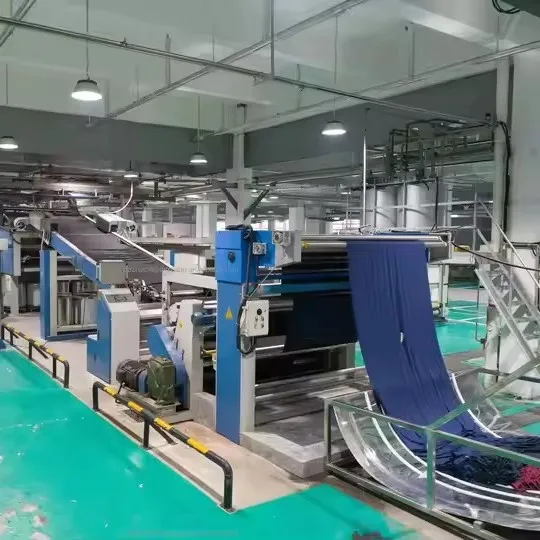
In the textile industry, production quality, process efficiency, and equipment reliability play an important role in reducing costs and improving productivity. One of the industrial products used in different stages of textile production is polyester mesh in the textile industry.
Due to its suitable resistance to moisture, abrasion, and many chemicals, polyester mesh can be used in filtration, dewatering, drying, and material conveying applications. Choosing the right mesh specification can help improve production efficiency, reduce downtime, and extend equipment service life.
In this article, we examine the main applications of polyester mesh in the textile industry, its technical advantages, selection criteria, and maintenance requirements.
What Is Polyester Mesh and Why Is It Important in the Textile Industry?
Polyester mesh is an industrial screen manufactured from woven polyester filaments. Its regular open structure allows controlled passage of air, water, and other fluids while providing suitable mechanical strength.
Key characteristics of polyester mesh include:
- Good resistance to moisture and water
- Suitable resistance to many industrial chemicals
- Good tensile and abrasion resistance
- Washability and reusability
- Various mesh opening sizes and weave structures
- Suitable performance in controlled thermal applications
- Relatively low weight and easy handling
These characteristics make polyester mesh in the textile industry a practical solution for several production processes.
Main Applications of Polyester Mesh in the Textile Industry
The exact application depends on the production line and operating conditions. The following are some of the most common uses of polyester mesh in the textile industry.
1. Polyester Mesh in the Textile Industry for Water Filtration
Textile washing and dyeing processes use large quantities of water containing dyes, fibers, lint, and suspended particles. If these contaminants enter pumps and piping systems, they may cause clogging, reduced efficiency, and increased maintenance costs.
Polyester mesh can be used as a filtration medium to separate certain solid particles and fibers from process water. The appropriate mesh opening should be selected according to particle size, flow rate, and filtration requirements.
2. Polyester Mesh for Washing and Drying Systems
In some textile production lines, polyester mesh is used in the form of belts or mesh conveyor systems to transport textile materials during washing and drying processes.
Its advantages include:
- Resistance to moisture
- Good air permeability
- Suitable mechanical strength
- Resistance to abrasion
- Easy cleaning
These properties make polyester mesh useful in different material-handling systems.
3. Polyester Mesh in the Textile Industry for Thermal Dryers
Drying is an important stage in many textile processes. In conveyor-based drying systems, air and heat need to pass evenly through the material.
The open structure of polyester mesh allows efficient airflow and can provide suitable performance in drying applications when the operating temperature remains within the product’s specified limits.
The actual maximum operating temperature should always be determined according to the manufacturer’s technical specifications.
4. Polyester Mesh for Dewatering Applications
Dewatering systems are designed to remove excess moisture from fibers and textile materials. Polyester mesh can serve as a filtration or drainage surface in certain dewatering systems.
Mesh opening, weave structure, and mechanical strength are particularly important because the mesh may be exposed to pressure, tension, and continuous mechanical stress.
5. Polyester Mesh for Dye and Solution Filtration
Some textile processes require the removal of suspended particles and impurities from dyeing solutions. Using polyester mesh with an appropriate opening size can help improve filtration performance and process consistency.
Benefits of Polyester Mesh in the Textile Industry

The use of polyester mesh in the textile industry provides several technical and operational advantages.
Chemical Resistance of Polyester Mesh
Textile production may involve dyes, detergents, and various chemical compounds. Polyester provides suitable resistance to many of these substances. However, compatibility should always be evaluated according to the specific chemical, concentration, temperature, and exposure time.
Moisture Resistance
Polyester mesh is well suited to humid working environments and is commonly considered for washing, dewatering, filtration, and drying applications.
Washability and Reusability
One of the practical benefits of polyester mesh is its ability to be cleaned and reused. Proper maintenance can extend service life and reduce replacement costs.
Mechanical and Abrasion Resistance
When mesh is continuously exposed to tension, friction, or contact with textile materials, mechanical strength becomes an important selection factor. The appropriate thickness and weave can improve performance under demanding operating conditions.
Various Mesh Opening Sizes
Polyester mesh is available in different opening sizes, allowing users to select a suitable configuration based on filtration requirements, airflow, water flow, and the characteristics of the production process.
How to Choose the Right Polyester Mesh for Textile Applications
When selecting polyester mesh in the textile industry, price should not be the only consideration. The technical specifications must match the actual operating conditions.
1. Mesh Opening Size
Mesh opening is one of the most important selection factors. Finer mesh can provide more precise particle separation, while coarser mesh generally allows greater airflow or fluid flow.
2. Thickness and Strength
If the mesh is exposed to high tension, pressure, or abrasion, a product with adequate mechanical strength should be selected.
3. Weave Type
Plain, multilayer, and spiral structures can provide different levels of strength, flexibility, and permeability. The weave should therefore be selected according to the application.
4. Operating Temperature
For dryer and thermal applications, the actual operating temperature should be compared with the manufacturer’s specified temperature range.
5. Chemical Compatibility
For dyeing and washing processes, the chemicals used in the production line should be identified and the polyester mesh should be selected accordingly.
6. Dimensions and Installation Method
Length, width, thickness, joining method, and installation requirements should be compatible with the equipment. Customized dimensions may also be available depending on the supplier and application.
How Polyester Mesh in the Textile Industry Can Reduce Operating Costs
Selecting the right mesh can help reduce operating costs. A properly specified and well-maintained polyester mesh can provide a longer service life and reduce the frequency of replacement.
Efficient filtration and drying performance may also help reduce equipment clogging, production interruptions, and unnecessary maintenance.
Maintenance of Polyester Mesh in the Textile Industry
To maximize service life, consider the following maintenance practices:
- Inspect the mesh regularly for tears and abrasion.
- Remove accumulated fibers and contaminants after use.
- Use cleaning agents compatible with polyester.
- Avoid sharp tools or excessive mechanical force during cleaning.
- Allow the mesh to dry completely after washing.
- Avoid prolonged exposure to incompatible chemicals.
- Store the mesh in a dry environment away from mechanical damage.
Polyester Mesh vs. Nylon and Metal Mesh
| Feature | Polyester Mesh | Nylon Mesh | Metal Mesh |
|---|---|---|---|
| Weight | Lightweight | Lightweight | Generally heavier |
| Chemical resistance | Good | Varies by chemical | Varies by metal |
| Moisture resistance | High | Good | Corrosion may occur with some metals |
| Washability | Yes | Yes | Yes |
| Flexibility | Good | High | Lower |
| Dryer applications | Suitable within specified temperature limits | More limited | Suitable for higher temperatures depending on alloy |
Beltash Polyester Mesh Products
Frequently Asked Questions About Polyester Mesh in the Textile Industry
Is polyester mesh in the textile industry suitable for filtration?
Yes. Depending on the mesh opening and weave, polyester mesh can be used to separate particles, fibers, and impurities in various filtration processes.
Can polyester mesh be used in textile drying machines?
Yes, provided that the machine’s operating temperature is within the specified temperature range of the selected mesh.
Can polyester mesh be washed and reused?
Yes. Many polyester meshes are washable and reusable. However, the cleaning method should be selected according to the type of contamination and product specifications.
What information is needed to select polyester mesh for a textile application?
Important factors include the application, mesh opening, operating temperature, chemical exposure, pressure and tension, required dimensions, and installation method.
Conclusion: Choosing the Right Polyester Mesh for Textile Applications
Polyester mesh in the textile industry is a versatile industrial solution for filtration, dewatering, drying, and material-handling applications. Its resistance to moisture, many chemicals, and abrasion, combined with its washability, makes it suitable for different areas of textile production.
The best mesh is not necessarily the thickest or finest mesh. The right choice is the product whose specifications match the actual requirements of the application.
If you are looking for polyester mesh for textile production lines, filtration systems, or drying equipment, Beltash can provide polyester mesh products in different specifications and dimensions to help you select a suitable solution.