
Blog
Beltash Round Polyethylene and Polyester Mesh | Sieve for Home and Industrial Applications

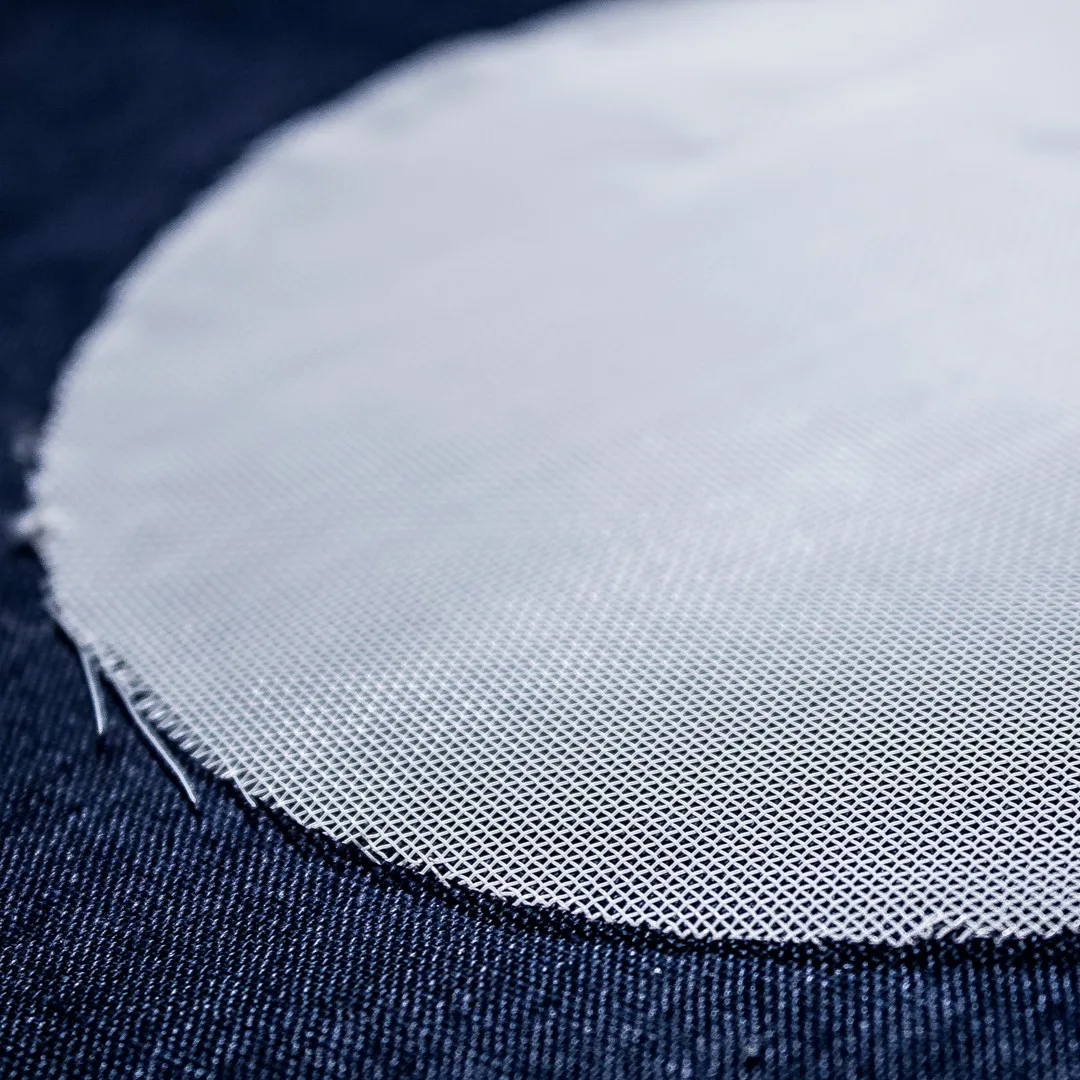
When it comes to sieving and separating particles, the quality of the mesh, material and frame can have a direct impact on the final result. Round polyethylene and polyester mesh products from Beltash are designed for a wide range of household, workshop, laboratory and industrial applications.
Beltash manufactures these round sieves using polyethylene and polyester mesh. Polyethylene is lightweight and suitable for many general applications, while polyester offers higher mechanical and thermal resistance for more demanding environments.
In this guide, we will explore the features, applications, advantages and important factors to consider when choosing round polyethylene and polyester mesh.
What Is Round Polyethylene and Polyester Mesh?
Round polyethylene and polyester mesh is a circular sieve consisting of a mesh surface with uniform openings and a durable plastic frame. This structure allows particles to be separated according to their size.
Polyethylene mesh is known for its light weight and good moisture resistance. Polyester mesh, on the other hand, can provide higher mechanical strength and better thermal resistance in many applications.
Beltash offers these products in different sizes, allowing users to select the most suitable option according to their application.
How Beltash Round Polyethylene and Polyester Mesh Is Manufactured
The quality of a sieve depends not only on the mesh itself but also on how the mesh is attached to the frame.
The manufacturing process begins with selecting the appropriate mesh material. After quality inspection, the mesh is accurately cut according to the required dimensions.
The mesh is then integrated with the plastic frame through an injection molding process. This creates a strong connection that helps maintain the shape of the sieve during regular use.
The result is a lightweight, practical and durable product suitable for different environments.
Benefits of Round Polyethylene and Polyester Mesh
Choosing the right sieve requires considering the type of material being processed and the working conditions.
Good Durability and Resistance
Polyethylene and polyester mesh can provide good resistance to moisture and regular use. The actual performance depends on the material, mesh thickness and operating conditions.
Lightweight Design
The lightweight structure makes these sieves easy to handle and move, especially in household and workshop applications.
Suitable for Different Applications
From kitchens and bakeries to laboratories and industrial workshops, different versions of these sieves can be used for various particle-separation tasks.
Different Sizes
The availability of different diameters makes it easier to select a sieve according to the amount of material and available workspace.
Round Polyethylene and Polyester Mesh for Kitchen Applications

One of the most common uses of these sieves is in kitchens and bakeries. Flour, powdered sugar, spices and other dry ingredients can be sieved to remove larger particles and improve consistency.
Polyethylene mesh can be a practical choice for these applications because it is lightweight and does not rust. For direct food contact, however, the specific product’s food-contact certification should always be checked.
Round Polyethylene and Polyester Mesh for Laboratory Applications

Laboratories and quality-control environments often require accurate particle separation. Depending on the process, mesh sieves can be used for separating solid particles, checking particle size or performing certain filtration processes.
Mesh opening size is especially important in laboratory applications. Smaller openings allow finer particles to be separated, while larger openings generally allow faster material flow.
Round Polyethylene and Polyester Mesh for Industrial Applications

Industrial and workshop environments can use round sieves for separating raw materials, removing unwanted particles and supporting quality-control processes.
The choice of mesh material should be based on factors such as temperature, pressure, chemical exposure and frequency of use.
Polyethylene vs. Polyester Mesh
Understanding the differences between these two materials can help you select the right product.
| Feature | Polyethylene | Polyester |
|---|---|---|
| Weight | Lightweight | Lightweight |
| Moisture Resistance | Good | Good |
| Mechanical Strength | Good | High |
| Thermal Resistance | Moderate | Higher |
| General Applications | Very suitable | Suitable |
| Specialized Applications | Depends on conditions | Often more suitable |
There is no single material that is ideal for every application. The best choice depends on the actual operating conditions.
Round Polyethylene and Polyester Mesh Sizes
Beltash provides round sieve products in different diameters. Available sizes can range approximately from 13 to 37 cm, depending on the product model.
The correct diameter should be selected according to the material volume, workspace and intended application.
How to Choose the Right Round Mesh Sieve
Before purchasing, consider the following factors:
1. Mesh Material
Polyethylene can be suitable for general applications, while polyester should be considered when higher mechanical or thermal resistance is required.
2. Mesh Opening Size
The mesh opening should correspond to the size of the particles being separated. Smaller openings provide finer separation, while larger openings allow faster material flow.
3. Sieve Diameter
Choose the diameter according to the amount of material and available working space.
4. Frame Quality
A strong frame and proper mesh attachment help the sieve maintain its shape during use.
5. Working Conditions
If the sieve will be exposed to heat, moisture or chemicals, the compatibility of the selected material with those conditions should be checked.
Proper Maintenance of Round Polyethylene and Polyester Mesh
Proper maintenance can help extend the useful life of the product.
- Clean the mesh after use.
- Use cleaning products compatible with the mesh material.
- Avoid sharp tools and overly abrasive brushes.
- Allow the sieve to dry completely after washing.
- Store it in a dry place away from excessive heat.
- Replace the mesh if significant damage or deformation appears.
Why Choose Beltash Round Polyethylene and Polyester Mesh?
Beltash focuses on manufacturing plastic mesh products and practical sieving solutions for different applications.
The availability of different mesh materials, sizes and practical frame designs allows these products to be considered for household, workshop and industrial applications.
For customized dimensions or specific technical requirements, it is recommended to discuss the application details with the manufacturer before placing an order.
Frequently Asked Questions
Is round polyethylene and polyester mesh suitable for food applications?
Products manufactured with materials approved for food contact can be suitable for food-related applications. Always check the specific model’s food-contact certification before use.
What is the difference between polyethylene and polyester mesh?
Polyethylene is generally lightweight and suitable for many general applications, while polyester can offer higher mechanical and thermal resistance in demanding conditions.
What sizes are available?
Beltash round sieves are available in different diameters, with certain models available in sizes ranging approximately from 13 to 37 cm.
Can the sieve be washed?
Yes. The sieve can generally be washed using suitable cleaning methods and compatible detergents. It should be dried thoroughly afterward.
What should I consider when buying a round mesh sieve?
Consider the mesh material, opening size, sieve diameter, frame quality and the environmental conditions in which the product will be used.
Conclusion
Round polyethylene and polyester mesh sieves are practical tools for particle separation in household, laboratory, workshop and industrial environments.
Polyethylene provides a lightweight and practical solution for many general applications, while polyester can be a better option when greater mechanical or thermal resistance is required.
By selecting the appropriate material, mesh opening and diameter, users can achieve more efficient and reliable sieving performance. Beltash offers different round mesh solutions that can be evaluated according to the specific requirements of each application.