
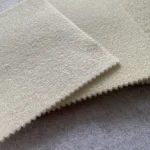
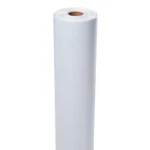
Taiwanese Polyester Mesh 32
Taiwanese Polyester Mesh 32
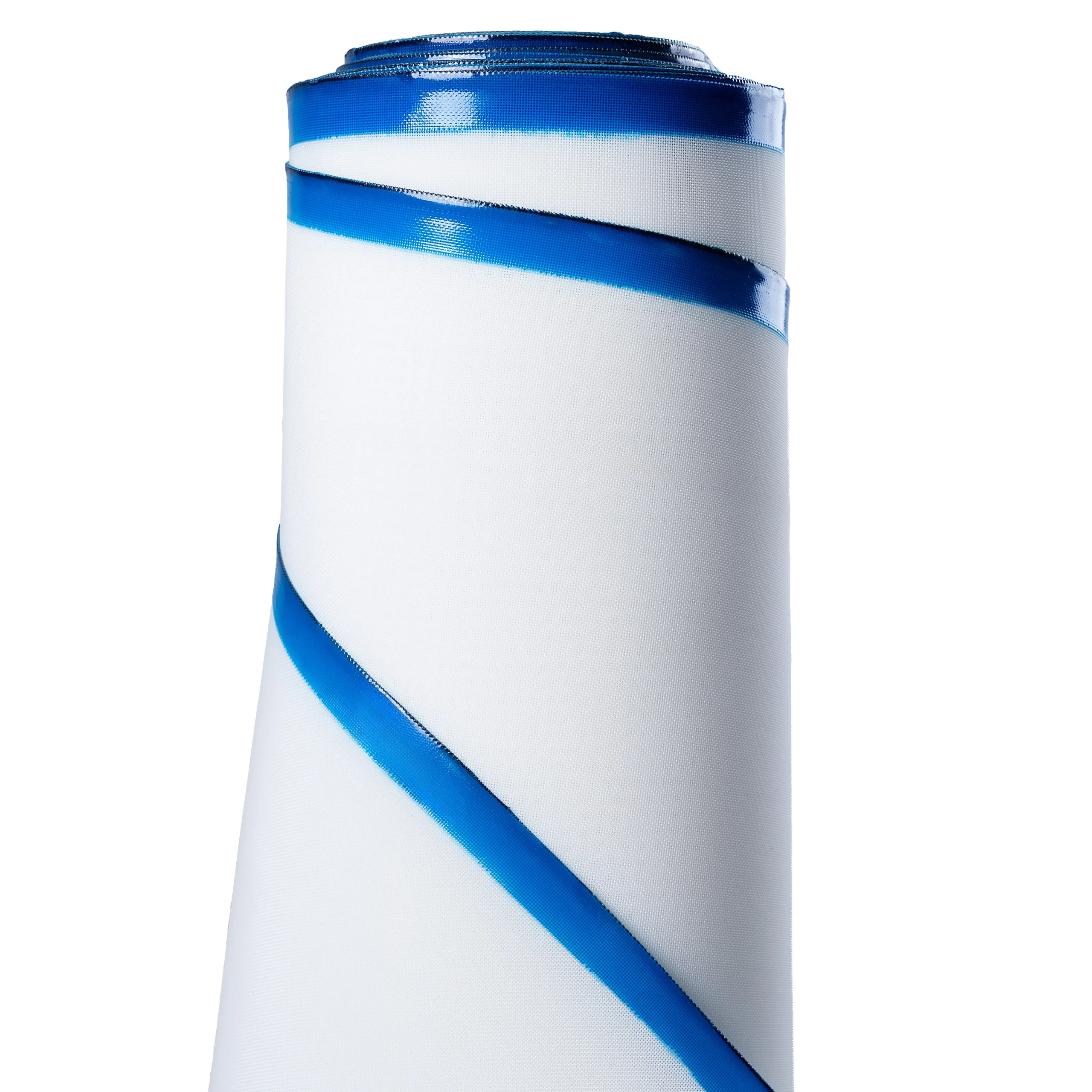
Taiwanese Polyester Mesh 32 is a practical and economical option for paperboard and carton production lines. This single-layer polyester forming fabric with a plain weave is particularly suitable for producing paperboard and carton products with a basis weight of 200 to 450 GSM. It can contribute to efficient dewatering, consistent sheet quality, and improved production performance.
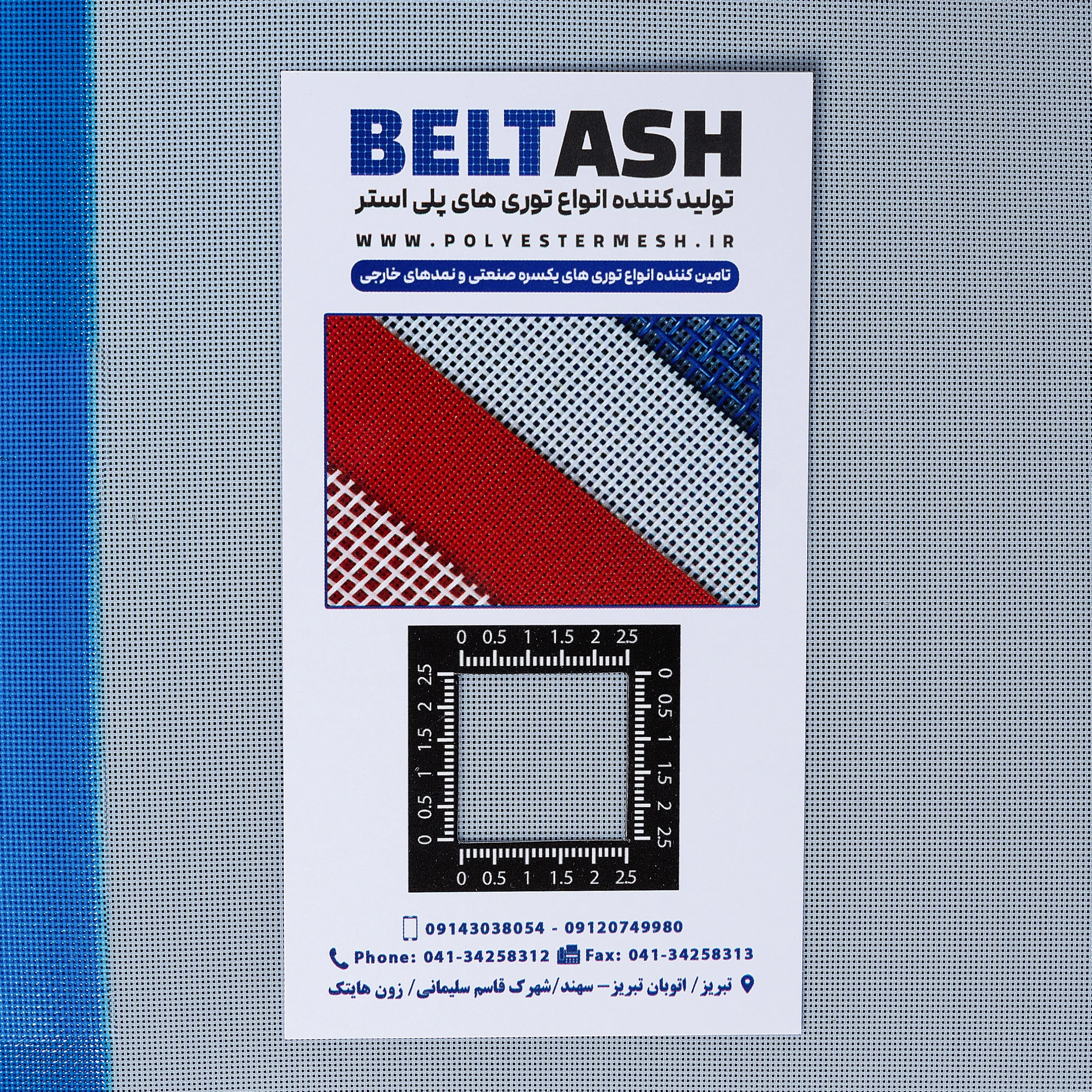
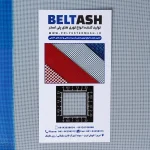
The uniform structure and smooth surface of Taiwanese Polyester Mesh 32 allow fibers and raw materials to distribute more evenly across the fabric surface, helping the dewatering process perform efficiently. In addition, its plain weave structure helps reduce the accumulation of fibers, pulp, and production residues inside the openings. As a result, the fabric is less likely to become clogged and requires less frequent cleaning and washing.
If you are looking for a forming fabric that combines competitive pricing, durability, strength, and reliable performance, Taiwanese Polyester Mesh 32 can be a suitable choice for paperboard and carton production lines.
What GSM Is Taiwanese Polyester Mesh 32 Suitable For?
One of the most important factors when selecting a forming fabric is the basis weight of the final product. Taiwanese Polyester Mesh 32 is a single-layer forming fabric designed to perform effectively in the production of paperboard and carton products with a basis weight of approximately 200 to 450 GSM.
Within this range, choosing the right forming fabric can help improve dewatering performance and maintain consistent sheet quality. Therefore, if your production line manufactures paperboard or carton products from 200 GSM and above, Taiwanese Polyester Mesh 32 can provide better performance compared with forming fabrics that are not suitable for the required basis weight.
On the other hand, selecting the wrong fabric can lead to slower dewatering, more frequent washing, and ultimately reduced production efficiency. For this reason, the forming fabric should always be selected according to the product GSM, machine specifications, and production conditions.
What Are the Benefits of the Plain Weave of Taiwanese Polyester Mesh 32?
Taiwanese Polyester Mesh 32 features a plain weave and a smooth, uniform surface. This structure helps reduce the amount of fibers and production residues that become trapped in the fabric openings, allowing the openings to remain clean and functional for longer periods.
Keeping the fabric openings clean is particularly important in paperboard and carton production because clogged openings can negatively affect the dewatering process. The plain weave structure of Taiwanese Polyester Mesh 32 allows water and excess materials to pass through the openings more effectively, helping the fabric maintain consistent performance during continuous production.
As a result, using the right forming fabric can not only support efficient dewatering but also help reduce the frequency of washing, cleaning, and production interruptions.
Taiwanese Polyester Mesh 32: Open-Ended or ENDLESS – Which Is Better?
Forming fabrics used in paperboard and carton production are generally supplied in two configurations: open-ended and ENDLESS or endless-loop.
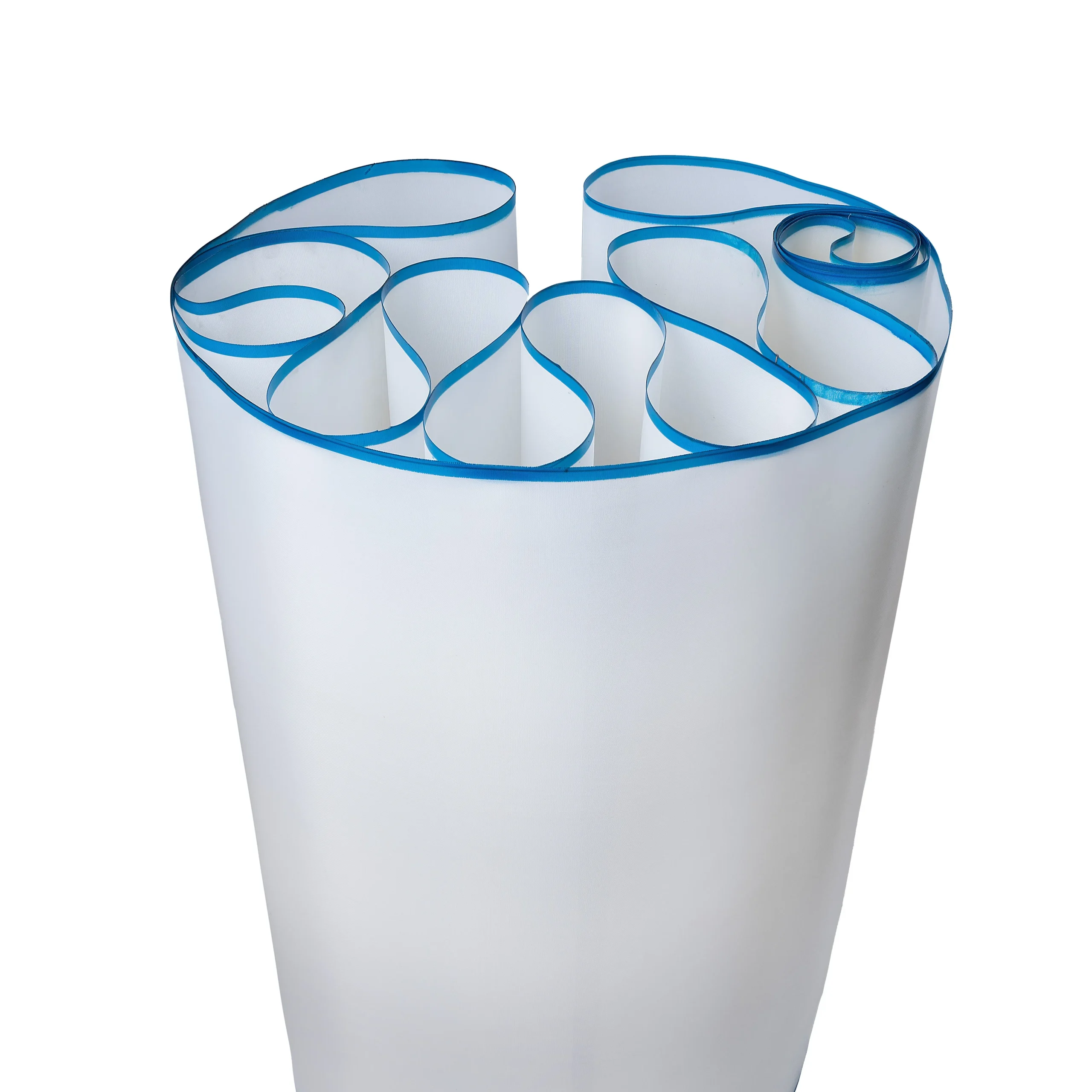
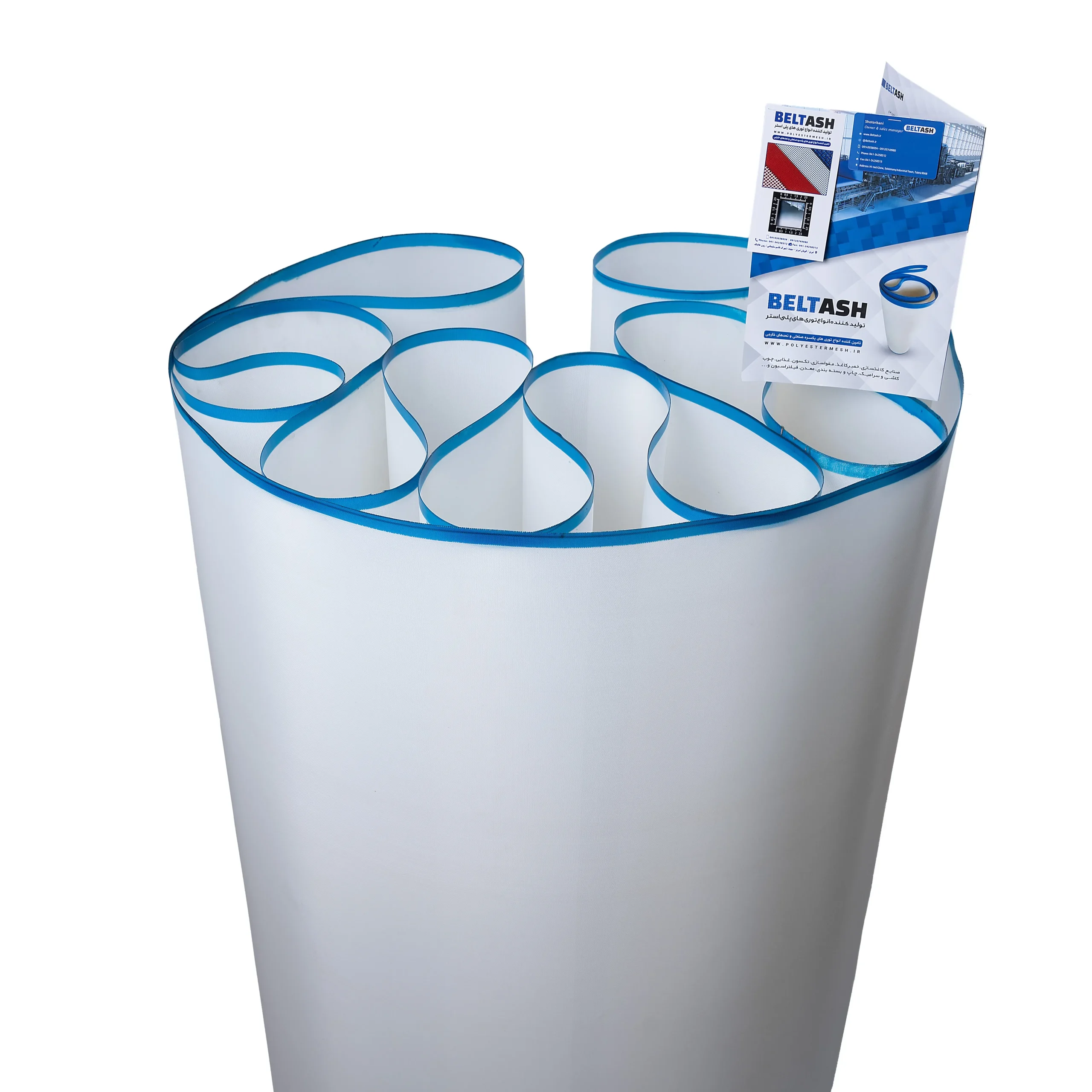
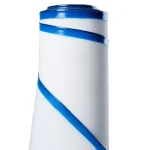
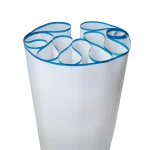
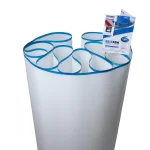
In an ENDLESS fabric, both ends are joined together to create a continuous loop. The connection is designed to provide a continuous fabric surface without a conventional seam interrupting the fabric’s movement.
By contrast, an open-ended fabric has two separate ends that must be joined together after the fabric is installed on the machine. The connection method is important because the joining area can directly affect machine performance, dewatering efficiency, vacuum performance, and the final quality of the paperboard.
Methods for Joining Open-Ended Polyester Forming Fabrics
One of the simplest and most economical methods for joining an open-ended forming fabric is to overlap the two ends and stitch them together. In this method, approximately 10 centimeters of the two fabric ends are overlapped and sewn together.
Although this method has a lower initial cost, it can be more difficult to adjust correctly on the machine. There is also a higher risk of misalignment, damage, or tearing at the seam. In addition, the stitched area can affect vacuum performance in the joining section.
One of the main disadvantages of a stitched connection is that it can interfere with vacuum pressure in the seam area. This may result in marking on the paperboard surface and higher residual moisture in the sheet. This issue is particularly important when producing lower-GSM paperboard. For this reason, an ENDLESS forming fabric can provide better results in applications where uniform dewatering is critical.
Plastic and Metal Zipper Connections for Polyester Forming Fabrics
Another method of joining open-ended forming fabrics is to install a zipper connection at both ends. Zipper systems can be made from plastic or metal.
Plastic zippers are generally made from materials compatible with the fabric structure. They can be a suitable option when minimizing the effect of the joining area on the final product is important. Easier installation and cleaning are among the advantages of plastic zippers. However, the joining area can be more vulnerable to mechanical stress and damage.
Metal zippers are generally available in two main types: stainless steel and conventional metal. Stainless steel zippers provide better resistance to moisture and water and are less susceptible to corrosion. Conventional metal zippers are more suitable for dry environments and are generally less expensive because of their lower resistance to corrosion.
Plastic and stainless steel zipper systems are commonly used in food and pharmaceutical applications where hygiene and corrosion resistance are important. However, in paperboard and carton production, zipper and stitched connections are not always the ideal solution because the connection area can affect vacuum performance and sheet quality.
For this reason, Taiwanese Polyester Mesh 32 in an ENDLESS configuration can be a more suitable option for paperboard and carton production lines. The continuous-loop design eliminates the need for conventional stitching or zipper connections and helps provide a more uniform fabric surface throughout the machine.
ENDLESS Taiwanese Polyester Mesh 32 for Reliable and Continuous Performance

One of the key features of Taiwanese Polyester Mesh 32 is its availability in an ENDLESS or endless-loop configuration.
In an ENDLESS design, the two ends of the fabric are joined together to form a continuous loop that runs continuously through the paper machine. Unlike open-ended fabrics that require stitching or zipper systems, an ENDLESS forming fabric does not have a conventional stitched or zipper connection interrupting its running surface.
This feature is particularly important in paperboard production because the joining area of a forming fabric can affect vacuum performance and dewatering efficiency. ENDLESS Taiwanese Polyester Mesh 32 provides a continuous structure that supports smooth fabric movement and more consistent performance throughout the machine.
Therefore, if efficient dewatering, reduced sheet marking, and consistent paperboard surface quality are important for your production process, Taiwanese Polyester Mesh 32 in an ENDLESS configuration can be a more suitable choice than open-ended fabrics with stitched or zipper connections.
Why Is ENDLESS Taiwanese Polyester Mesh 32 Important?
In forming fabrics used in paperboard and carton machines, the joining area is one of the important factors affecting fabric performance and service life. An improper seam can create an uneven area, interfere with fabric movement, or negatively affect the production process.
With an ENDLESS configuration, the forming fabric is designed as a continuous loop, allowing it to run smoothly through the machine without a conventional stitched or zipper connection. Therefore, ENDLESS Taiwanese Polyester Mesh 32 can be an effective solution for production lines where continuous and stable fabric performance is essential.
The endless-loop structure also helps maintain more consistent fabric movement and minimizes potential differences between the joining area and the main fabric structure.
Strength and Durability of Taiwanese Polyester Mesh 32
Taiwanese Polyester Mesh 32 is manufactured from 100% polyester yarn with a yarn diameter of 0.40 mm. The use of polyester provides the fabric with suitable mechanical strength and durability for demanding industrial production environments.
The fabric has a maximum temperature resistance of 164°C and is resistant to more than 100 types of acids. This makes it a reliable option for industrial environments where the forming fabric may be exposed to elevated temperatures and various chemicals.
Its durability is also one of the factors that make Taiwanese Polyester Mesh 32 an economical choice. A longer service life can help reduce fabric replacement frequency and lower maintenance-related costs for the production line.
Why Is Taiwanese Polyester Mesh 32 an Economical Choice?
When selecting a forming fabric for a production line, the initial purchase price is not the only factor to consider. Service life, cleaning requirements, resistance, dewatering performance, and connection design can all directly affect the overall operating cost.
Taiwanese Polyester Mesh 32 combines these characteristics to provide an economical solution for manufacturers looking to reduce operating and replacement costs without compromising production quality.
Its plain weave, suitable mechanical resistance, efficient openings, ENDLESS configuration, and suitability for 200 to 450 GSM paperboard and carton production make Taiwanese Polyester Mesh 32 a practical option for many production lines.
For selecting the right forming fabric according to your machine, product GSM, and production conditions, you can consult the Beltash team before placing your order to determine the most suitable solution for your production line.
| Number of Meshes per Centimeter | 12 |
|---|---|
| Number of Meshes per Inch | 32 |
| Weaving Type | Plain Weave |
| Wire Diameter | 0.40 mm |
| Yarn Composition | 100% polyester |
| Maximum Temperature Resistance | 164 °C |
| Acid Resistance | More than 100 types acids |
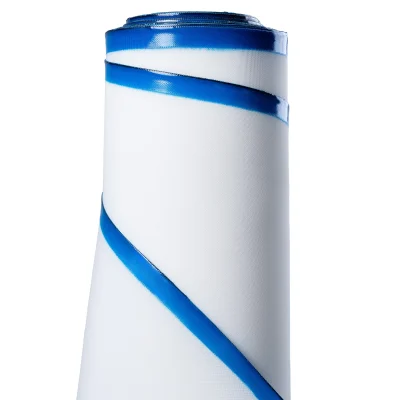
| Edge Type | Injection polyurethane with high temperature and tension resistance |
| Connection Type | Endless, Cut Piece, Clipse |
| Available Widths | 105, 120, 140, 145, 150, 160, 200 |



Reviews
There are no reviews yet.