
Press Felt Type J
Press Felt Type J
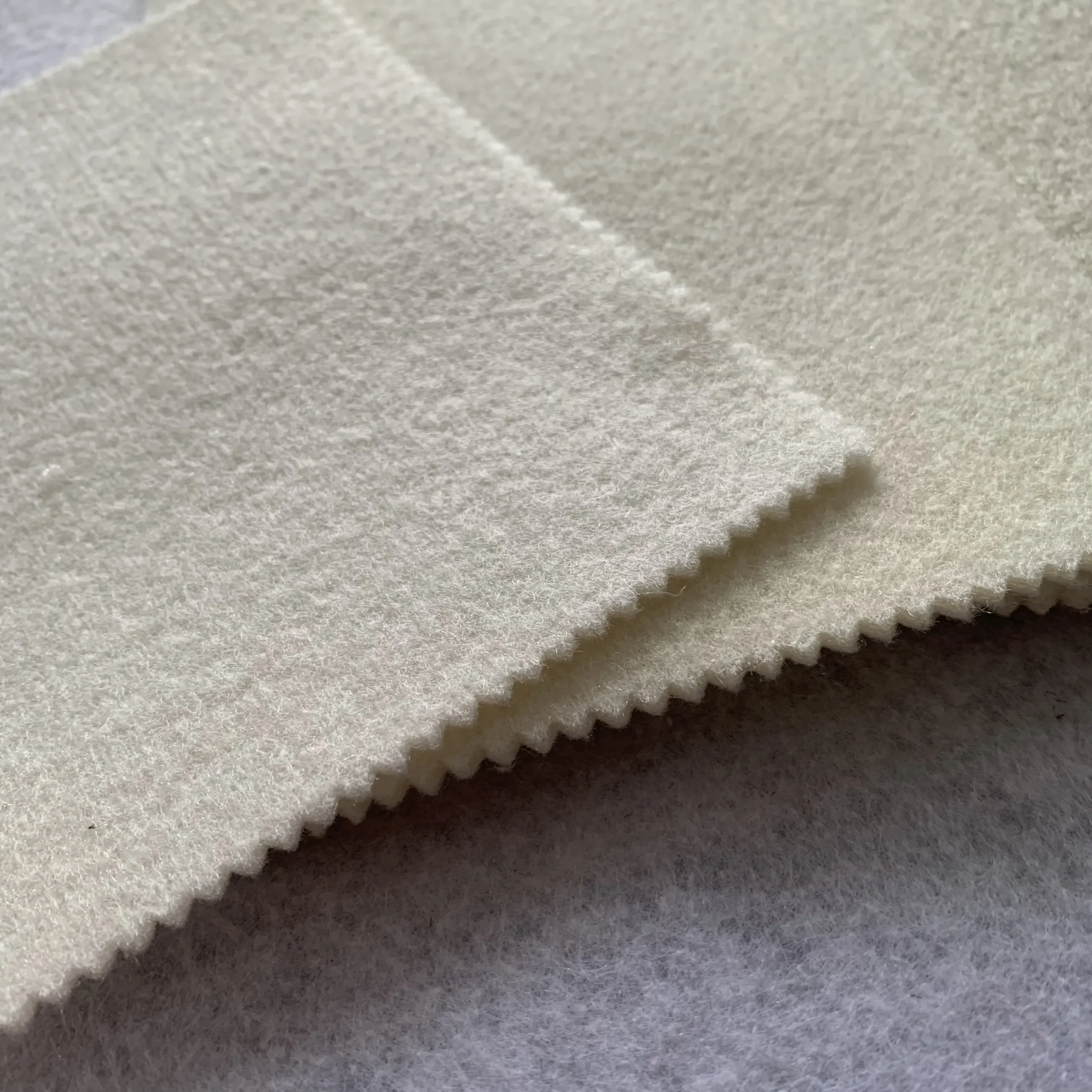
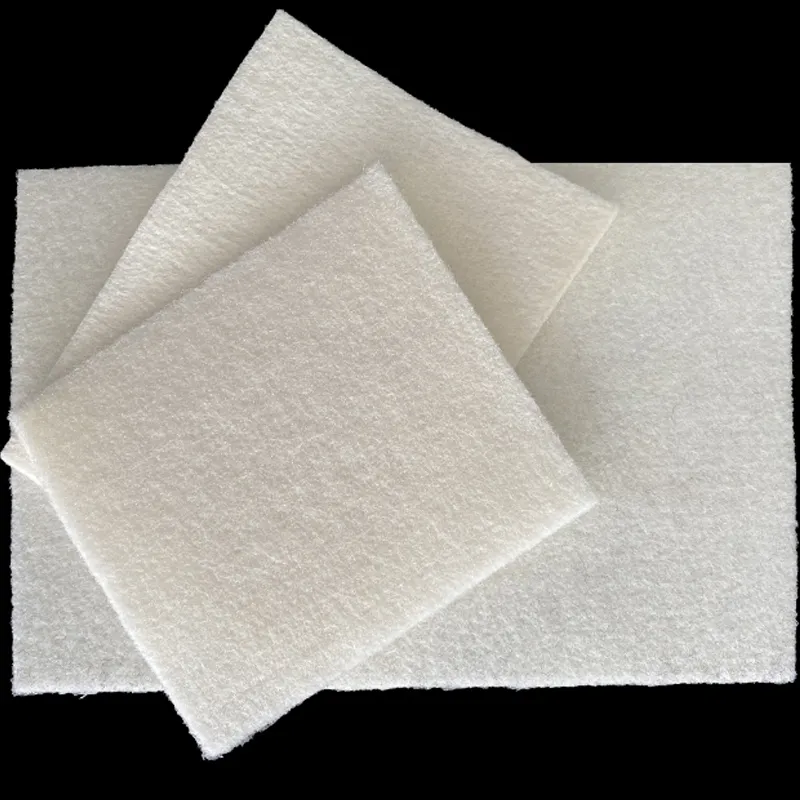
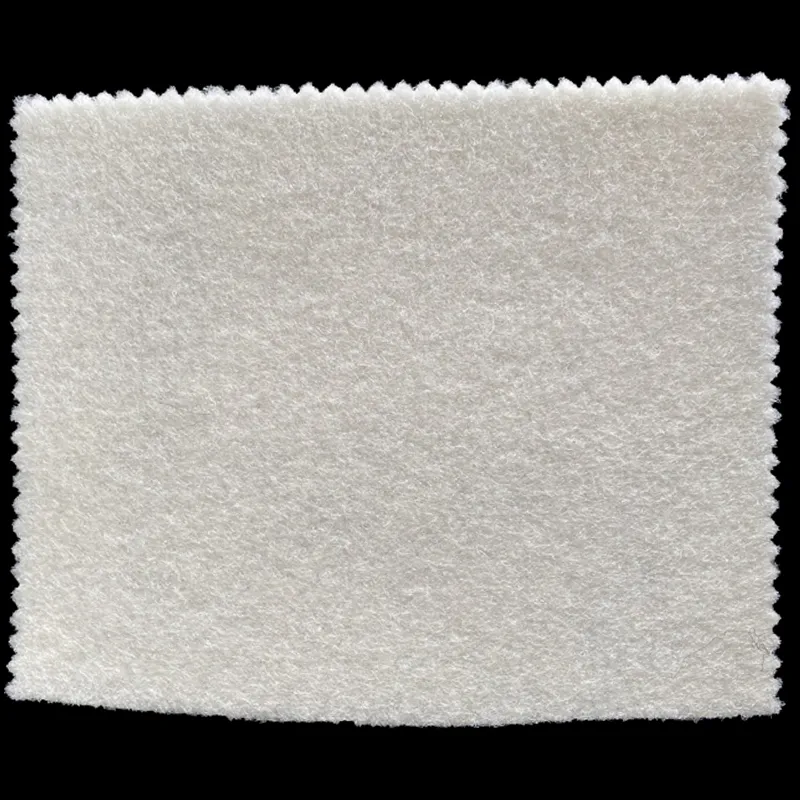
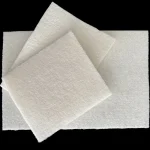
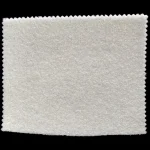
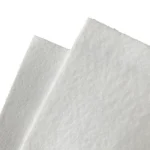
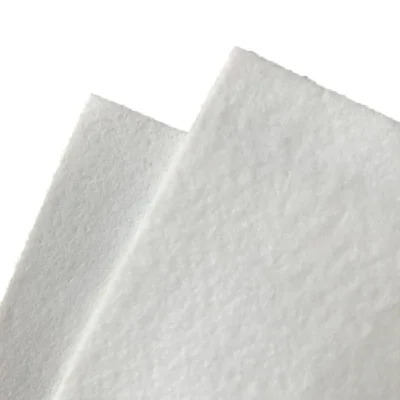
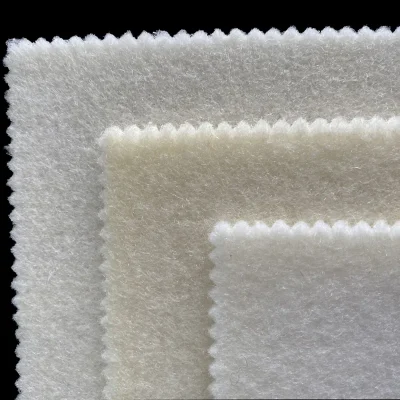
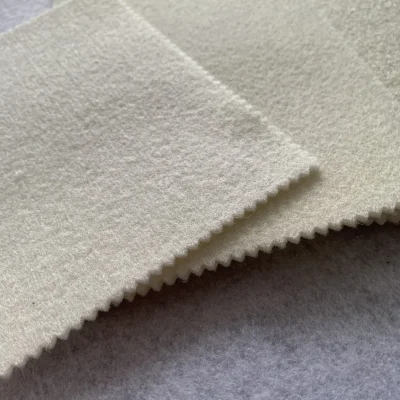
Press Felt Type J is a specialized felt used in the press section of paper and paperboard production machines. With its fiber-rich structure, effective dewatering capability, uniform moisture distribution, and suitable surface performance, this felt is designed particularly for paper and lightweight paperboard production. Its high flexibility and greater fiber content allow Press Felt Type J to perform effectively in production lines requiring a softer and more fiber-oriented felt structure.
After the sheet leaves the forming section, it can still contain approximately 60–80% moisture. The press section is responsible for removing a significant portion of this water before the sheet enters the dryers. Press Felt Type J helps carry out this process through uniform pressure distribution and effective water absorption, contributing to improved final product quality and lower production costs.
Why Use Press Felt Type J?
Proper felt performance in the press section has a direct impact on paper and paperboard quality. If dewatering is not uniform, differences in moisture across the sheet can lead to variations in thickness, reduced surface quality, and increased production waste.
Press Felt Type J uses its fiber-rich structure to remove moisture evenly from the sheet surface and helps minimize unwanted stress and deformation. Better contact between the paper fibers can also contribute to improved product strength and a more uniform surface.
Another important advantage is energy efficiency. The more water removed during the press stage, the lower the workload required from the dryers. As a result, selecting the appropriate Press Felt Type J can help improve product quality while reducing energy consumption and operating costs.
Features of Press Felt Type J
In Press Felt Type J, GSM or basis weight is controlled primarily through the batt density. This results in a higher fiber content compared with Type A and makes the product particularly suitable for paper and lightweight paperboard production.
Key specifications include:
- Basis weight (GSM): 1200 GSM, with 950–1950 GSM available on request
- Base mesh layers: 1 layer
- Material: 100% polyester
- Batt density: High
- Dewatering basis: Primarily controlled by the batt
- Width: 150 cm
Benefits of Press Felt Type J
Using Press Felt Type J in paper and paperboard production lines can provide several important benefits.
Uniform Dewatering
The fiber-rich structure helps distribute pressure effectively and remove water more uniformly from the sheet surface, contributing to consistent production quality.
Improved Paper Surface Quality
The higher fiber content provides better contact with the sheet surface, which can contribute to a smoother and more uniform paper or paperboard surface.
Reduced Energy Consumption
Every additional amount of water removed during pressing reduces the amount of energy required in the drying section. This can help lower the overall energy consumption and production costs.
Suitable for Paper and Lightweight Paperboard
The structure of Press Felt Type J is designed for production lines manufacturing lighter grades of paper and paperboard where greater flexibility and higher fiber content are required.
Stable Performance
The use of quality fibers and durable polyester helps provide stable performance and consistent dewatering throughout the service life of the felt.
Press Felt Type J vs. Type A
Although both types are designed to support dewatering and uniform pressure transfer in the press section, their internal structures are different.
In Press Felt Type J, GSM is primarily controlled through batt density. As a result, this model contains more fiber and is generally better suited to paper and lightweight paperboard production.
By comparison, Press Felt Type A features a two-layer base mesh, higher mechanical resistance, and longer service life, making it more suitable for heavier paperboard production lines.
Therefore, choosing between Press Felt Type J and Type A should be based on the product type, production basis weight, operating conditions, machine requirements, and the specific needs of the production line.
How to Choose Press Felt Type J
One of the most important factors when selecting Press Felt Type J is its GSM or basis weight. This value represents the weight and structural characteristics of the felt and can directly affect dewatering performance, surface quality, durability, strength, and overall machine performance.
Other factors should also be considered, including machine speed, paper or paperboard grade, press-section pressure, and the actual operating conditions of the production plant. Proper selection can help achieve better performance and extend the useful service life of the felt.
Conclusion
If you are involved in paper or lightweight paperboard manufacturing, Press Felt Type J can be a suitable option for improving production quality and press-section performance. Its fiber-rich structure provides effective dewatering, good surface contact, and stable performance while helping reduce the energy required by the drying section.
Designed specifically for paper and lightweight paperboard production, Press Felt Type J can contribute to better surface quality, lower production waste, improved machine efficiency, and reduced operating costs. Selecting the correct felt according to the production grade, GSM, machine speed, press conditions, and other operating requirements is essential for achieving the best results.
| Weight per square meter (GSM) | 1200 (950 to 1950 can be ordered) |
|---|---|
| Number of felt frame meshes layer | 1 mesh |
| Material | 100% Polyester |
| Pile density | High |
| Dewatering Basis | Mostly based on the fabric |
| Available Widths | 120, 150, 180, 200, 300 cm (can be ordered) |
Related products



Reviews
There are no reviews yet.